
Hand-eye coordination is the team effort between your eyes and your hands. It helps you do everything from writing a note to catching a ball. When your eyes and hands communicate well, daily tasks feel smoother for you and your family. At Beyond 20/20 Optometry, our team understands how vision skills are important for enhancing your quality of life.
This skill is fundamental to how you interact with the world. You can improve hand-eye coordination by engaging in supportive activities and addressing any underlying vision problems with a comprehensive eye exam.
What Is Hand-Eye Coordination?
Think of it as your brain’s ability to process information from your eyes to guide your hands. This complex process, known as visual perception, is a skill you use constantly without even noticing. It allows you to perform tasks that require your hands and eyes to work together precisely.
Everyday Examples for Your Family
- Writing, drawing, or typing on a keyboard
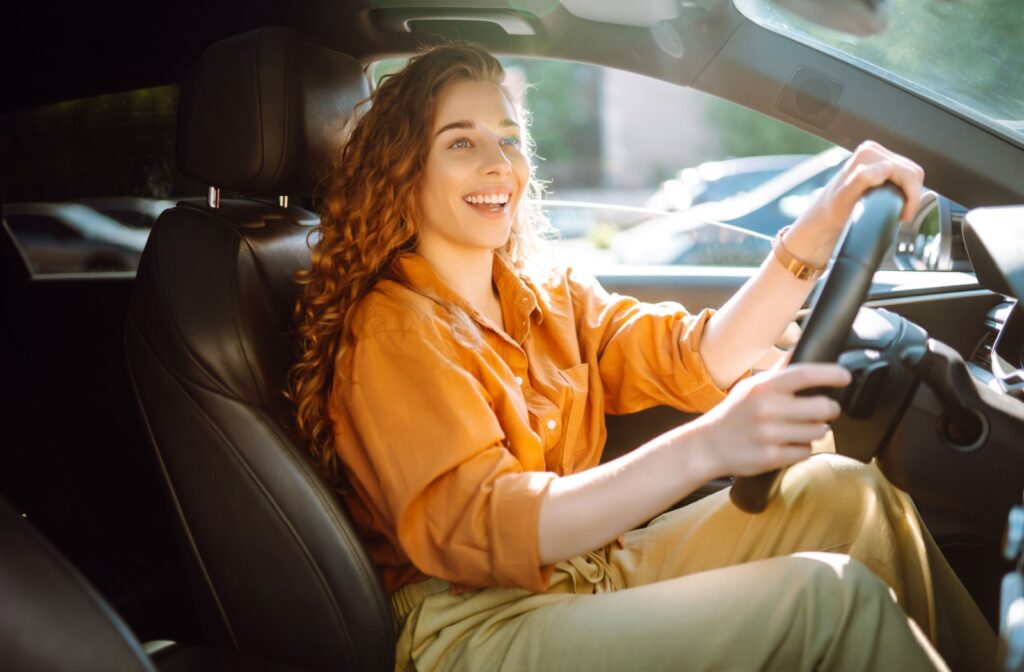
- Driving a car and reacting to traffic
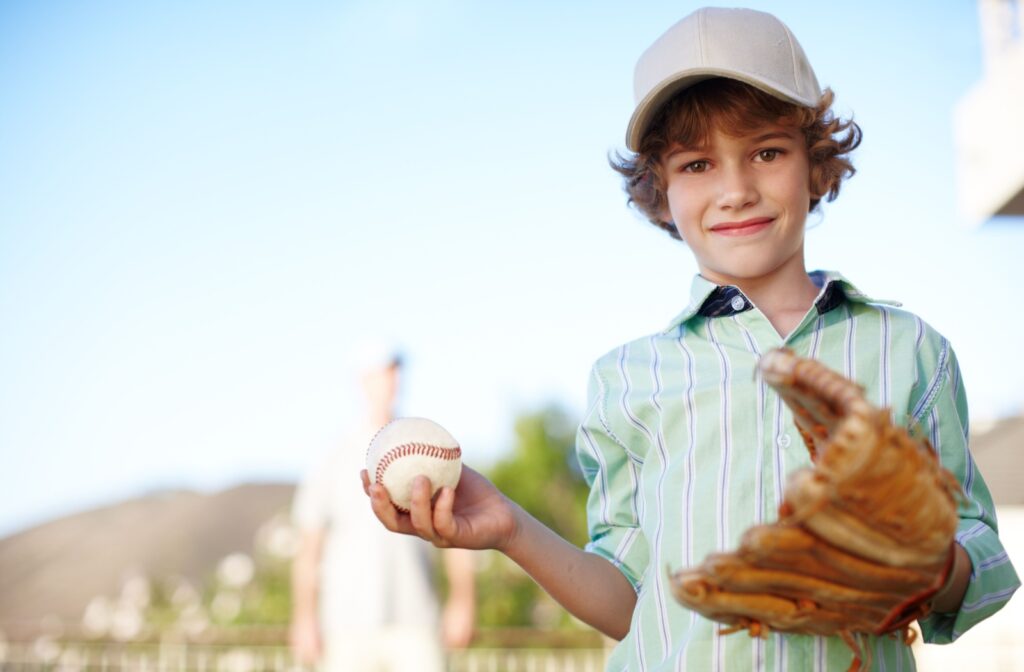
- Playing catch or participating in sports
- Cooking a meal—from chopping vegetables to pouring liquids
- Buttoning a shirt or tying shoelaces
Signs of Poor Coordination in Kids and Adults
Challenges with hand-eye coordination can look different depending on your age. For children, it might appear during key developmental stages as learning-related vision issues, while adults might notice it in more complex daily activities.
In Children
- Messy or slow handwriting
- Trouble catching or throwing a ball
- Difficulty with zippers, buttons, or tying shoes
- Appears clumsy, often spills drinks or bumps into things
In Adults
- Slower reaction times while driving
- Difficulty with hobbies like sewing or painting
- Struggles with sports that require accuracy, like tennis or golf
What Causes Issues with Coordination?
Sometimes, coordination skills just need more time to develop, especially in children. Other times, an underlying vision problem could be the cause. How your eyes focus, move, and work together as a team is the foundation for good hand-eye coordination.
Conditions like binocular vision dysfunction, which affect how the eyes work together, can interfere with this skill. The only way to know for sure is with a comprehensive eye exam. A full check-up helps determine whether a vision issue is part of the challenge, and your eye care team in Moncton can help identify any contributing factors.
Fun Activities to Support Hand-Eye Coordination
You can practice the skills that support hand-eye coordination through play and fun family activities. These types of engagement are important for healthy visual development in children. These are not treatments, just simple ways to encourage your eyes and hands to work together.
Get Active with Sports and Play
- Play catch: Start with a large, soft ball and then try smaller ones.
- Bounce a ball: Practice bouncing a tennis ball against a wall or on the ground.
- Try racquet sports: Badminton, pickleball, and table tennis are great options.
Explore Creative and Quiet Hobbies
- Build something: Use LEGO, puzzles, or building blocks.
- Get artsy: Draw, paint, or colour to practice fine motor control.
- Learn an instrument: Playing the piano or guitar requires your hands and eyes to sync up.
How Professional Vision Care Can Help
If you or your child struggles with coordination, the first step is a conversation with an eye care professional. A thorough assessment can uncover if a vision problem is making tasks more difficult than they need to be.
The Role of a Comprehensive Eye Exam
An eye exam checks for more than just clear sight. Your eye doctor assesses how your eyes focus, track objects, and work together. Understanding your complete visual picture is key to addressing coordination challenges linked to vision.
An Introduction to Vision Therapy
Vision therapy is a personalized program of activities designed to help improve the connection between the brain and the eyes. It helps the two systems communicate more effectively so they can work better as a team.
For athletes, vision therapy can also focus on high-performance visual skills that directly impact hand-eye coordination. These programs are tailored to the demands of specific sports and may include training for reaction time, visual tracking, depth perception, peripheral awareness, and visual decision-making under pressure.
Whether you’re a competitive athlete or a recreational player, enhanced visual efficiency can translate to faster responses, improved accuracy, and more consistent performance on the field, court, or ice.
Healthy Vision Helps You Do More
From playing catch in the backyard to simply tying your shoes, good hand-eye coordination makes life easier and more enjoyable. While fun activities can support this skill, it’s also important to rule out any underlying vision concerns.
For athletes of all ages, addressing visual performance can be an important part of training and injury prevention, helping you see, react, and perform at your best. If you have questions about your family’s visual skills, want to explore performance-focused vision training, or need professional eye care in Moncton, our team at Beyond 20/20 Optometry is here to help. Schedule an appointment to get a clear picture of your vision health.