
Key Takeaways
- High-index lenses bend light efficiently, so they can be thinner and lighter than standard plastic lenses.
- They often suit prescriptions stronger than -3.00 or +3.00, kids and teens with strong prescriptions, and anyone who wears glasses all day.
- Frame size and lens coatings can affect how slim your glasses look.
- Our eye care team can help you choose an index based on your prescription, lifestyle, and frames.
If you’ve worn strong glasses for years, you know the feeling. Your frames slide down your nose, red marks show up by lunch, and thick lens edges peek out from the sides. At Beyond 20/20 Optometry, the team provides family eye care in Moncton and often hears from people who want glasses that feel lighter and look more natural.
High-index lenses can help you get thinner, lighter glasses because they bend light efficiently and use less material, especially when you pair them with the right frame and coatings. During your next eye exam, the team can talk through your prescription and help you compare lens options before you pick out frames.
What Are High-Index Lenses?
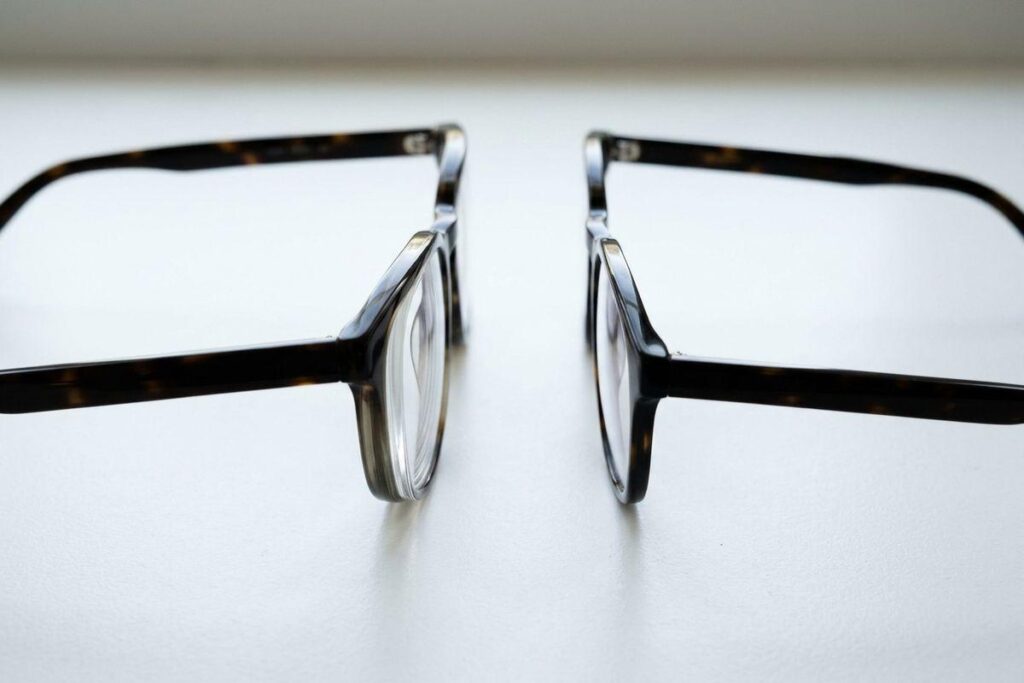
Every lens bends light to help you see clearly. High-index lenses bend light efficiently, so they use less material to do the same job.
Who Can Benefit from High-Index Lenses?
If your prescription is stronger than -3.00 or +3.00, you may notice a clear difference in how your glasses look and feel.
Kids and teens who need strong prescriptions can enjoy glasses light enough to forget about during recess or soccer practice.
Which Index Fits Your Prescription?
The right index depends on more than one number. The eye care team considers your prescription, lifestyle, and frames together.
If your prescription is mild, you may see a smaller difference, and the team can help you decide whether the change fits your needs.
How High-Index Lenses Help Your Everyday Life
Comfort for Your Nose and Ears
Heavy glasses press on the bridge of your nose and tug at the tops of your ears. Lighter lenses put less pressure on your face, so your glasses can stay put while you type at work, chase a ball, or play on the floor with your kids.
If heavier glasses have left sore spots, lighter lenses can feel gentler on them.
A More Natural Look
High-index lenses can help your eyes look closer to their natural size when friends and family see you. Thinner lenses can also help reduce the thick, bulky look some strong prescriptions have.
Thinner lenses also open up more frame choices, including rimless and metal styles.
Clear, Comfortable Vision
Many high-index lenses come in a flatter design that can help reduce the warped look near the lens edges. They’re available in bifocals, trifocals, and progressives, so you can enjoy a slimmer lens whatever your visual needs. Tints and light-adapting lenses are also options for sunny drives and bright afternoons at the park.

Tips for Thinner, Lighter Glasses
Choose the Right Frame Size
Your frame plays a big part in how thick your lenses look. A few frame tips can help:
- Pick frames proportionate to your face.
- Choose smaller or rounder shapes to help hide edge thickness.
- Keep in mind oversized frames can lead to thicker lens edges.
Lens Add-Ons That Help
These coatings and features can help your new lenses look and feel good day to day:
- Anti-reflective coating helps cut glare from screens and headlights.
- Scratch-resistant coating helps keep lenses clear longer.
- UV protection comes built into many high-index lenses, and the team can confirm what your lenses include.
What to Know Before You Choose High-Index Lenses
Points to Keep in Mind
Cost can vary depending on the index and add-ons you choose, and the team can explain what to expect.
Without an anti-glare coating, reflections may show more on high-index lenses.
For kids and active sports, polycarbonate lenses may be a good fit. The team can walk you through both options so you can pick what suits your family.
Your First Few Days in New Glasses
Many people adjust to new lenses within a few days. To keep them clear, clean them with a microfibre cloth and store them in a case when they’re off your face.
If blur or discomfort persists or worsens, reach out to the team for eye care in Moncton.
Thinner, Lighter Glasses for Your Whole Family
Glasses should fit your life, from busy workdays to weekend hockey games. High-index lenses can help you and your family enjoy a lighter, slimmer pair and clear, comfortable vision. Book an appointment with Beyond 20/20 Optometry, and the team can help you find lenses and frames that feel good from morning to night.