
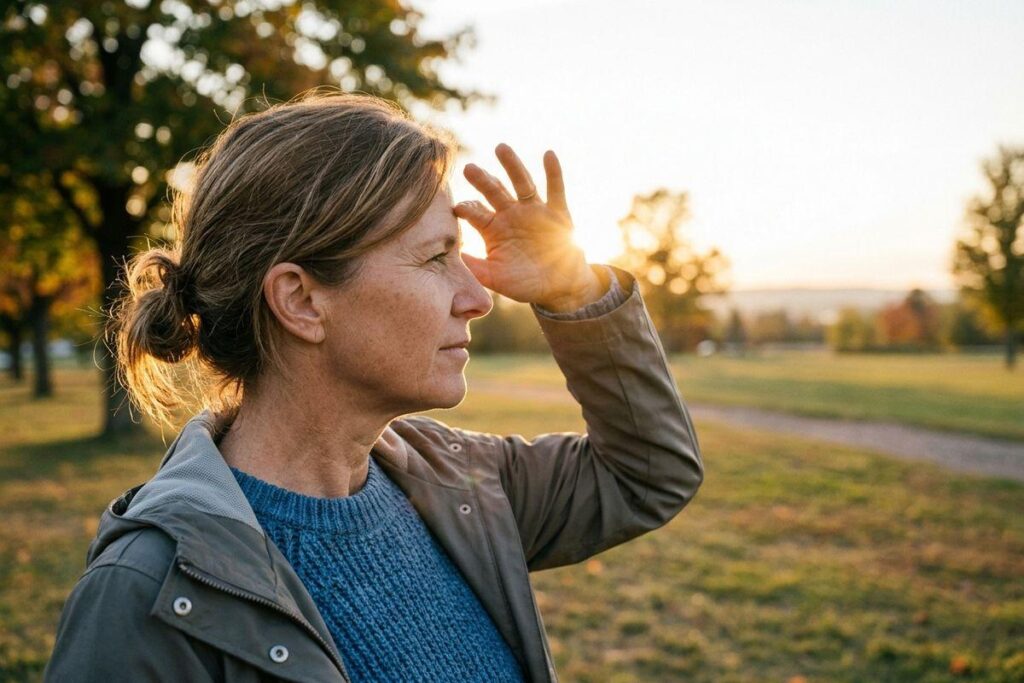
Dealing with harsh lighting often makes your daily routine difficult. You may step outside on a sunny afternoon and immediately reach for your sunglasses, squinting before your eyes even have a chance to adjust. For some people, that reaction goes far beyond a moment of adjustment. Simply turning on a lamp or opening the blinds brings unexpected discomfort to your vision.
Your eyes may be sensitive to light due to your natural eye colour, daily screen strain, or underlying health issues like dry eye and cataracts. Light sensitivity, also called photophobia, is not an eye disease itself, but a symptom that tells you something else may be going on with your eyes or overall health. Uncovering the root cause helps you regain your visual comfort.
Common Reasons Your Eyes React to Light
Several everyday factors and environmental elements easily trigger photophobia. Here are 5 common reasons you might find bright spaces uncomfortable.
Eye Colour
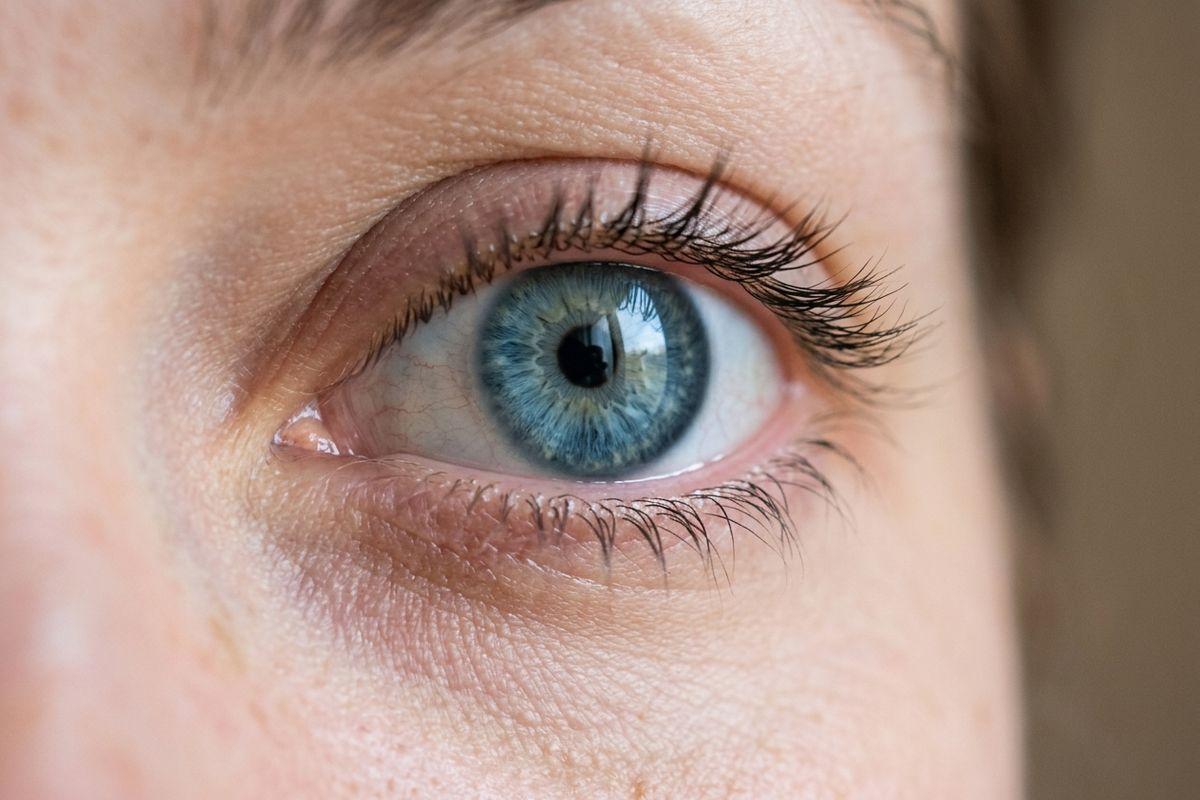
The colour of your iris actually affects how much light your eyes absorb. People with lighter-coloured eyes, such as blue or green, have less pigment to filter out bright glare. You might naturally find bright environments more bothersome than someone with dark eyes.
Dry Eyes and Inflammation
Dry eyes and inflammation can also make your eyes feel more reactive to light than usual. When the eye’s surface is irritated or lacks moisture, even normal indoor lighting can feel harsh and uncomfortable. Address this lack of hydration, and you can help your eyes handle bright environments more comfortably.
Daily Screen Strain
Spending long hours looking at digital devices places ongoing stress on your visual system, which frequently leads to increased light sensitivity over time. Take regular breaks using the 20-20-20 rule to rest your eyes. This means you should remember to look at an object 20 feet away for 20 seconds every 20 minutes.
Migraines
Many people experience intense light sensitivity before, during, or after a migraine episode. Finding ways to manage these headaches frequently helps reduce your photophobia.
Concussions & Brain Injuries
Light sensitivity is also a common symptom after a concussion or other traumatic brain injury. Even after other symptoms improve, some people continue to experience discomfort in bright environments, under fluorescent lighting, or while using digital screens. If you’ve recently experienced a head injury and notice increased light sensitivity, an eye examination can help determine whether visual changes are contributing to your symptoms and whether additional care may be beneficial.
Common Medications
Certain prescription medications also cause photophobia as a side effect. Review your current prescriptions with your optometrist if you notice a recent increase in your light sensitivity.
Eye Conditions Linked to Light Sensitivity
Sometimes, light sensitivity points to a specific eye condition that requires an optometrist’s care. Certain underlying health issues need a professional diagnosis to help your visual system stay healthy.
Pink Eye
Bacterial and viral conjunctivitis inflames the eye’s surface and can make bright lights a problem. It’s an infection that spreads rapidly in family settings and often requires professional guidance to resolve.
Cataracts
Cataracts cloud the lens inside your eye and scatter incoming light. This scattering leads to uncomfortable glare and halos around light fixtures. Cataracts increase glare sensitivity from oncoming headlights when driving at night. Fortunately, diagnosing this early during a routine exam helps you manage the symptoms effectively.
Uveitis
This condition involves inflammation inside the eye itself, making light feel intensely painful. Your optometrist can identify uveitis during an exam and recommend an appropriate treatment plan.
Simple Ways to Reduce Light Sensitivity
You can make a few simple adjustments at home and work to reduce the daily load on your visual system.
The right eyewear can make a real difference in how your eyes feel from day to day. Polarized sunglasses are a good choice for outdoor use because they reduce glare from reflective surfaces like roads, water, and car hoods. Photochromic lenses, sometimes called transition lenses, adjust automatically as you move between indoor and outdoor spaces, so you’re not constantly switching between your regular glasses and sunglasses.
For people who struggle with fluorescent lighting, harsh indoor lighting, or prolonged screen use, special therapeutic tinted lenses may also provide relief. Unlike traditional sunglasses, these customized tints can be prescribed in very light concentrations, as low as a 5% tint, to help reduce visual discomfort while still allowing comfortable indoor vision. Your eye care team can recommend whether therapeutic tints are appropriate for your specific symptoms and lifestyle needs.
You don’t always need new eyewear to feel more comfortable. A few small adjustments at home and at work can help reduce the load on your eyes throughout the day. Try implementing these small adjustments:
- Dim indoor lighting or use warm-toned bulbs instead of harsh fluorescent ones
- Lower your screen brightness and match it to the lighting in the room
- Wear a wide-brimmed hat on sunny days for added shade without relying on sunglasses alone
- Avoid wearing sunglasses indoors, as this can actually train your eyes to become more sensitive over time
Find Relief From Light Sensitivity Today
Some light sensitivity is manageable and improves with small changes. However, certain situations call for a closer look from an eye care professional. If your sensitivity comes on suddenly or feels severe, that’s a reason to get your eyes checked soon. Additionally, light sensitivity alongside blurry vision, eye pain, or redness could signal an issue that needs attention right away.
Regular eye exams help your optometrist diagnose the root cause early, whether it’s a change in your prescription, early signs of a condition, or something connected to your overall health.
The team at Beyond 20/20 Optometry is here to help your whole family see and feel comfortable, whatever your eyes are telling you. If light sensitivity has been affecting your daily life, don’t wait. Contact our clinic today to schedule an exam and protect your vision.